
Cosmetic Ear Surgery (Otoplasty) in Seoul, Korea
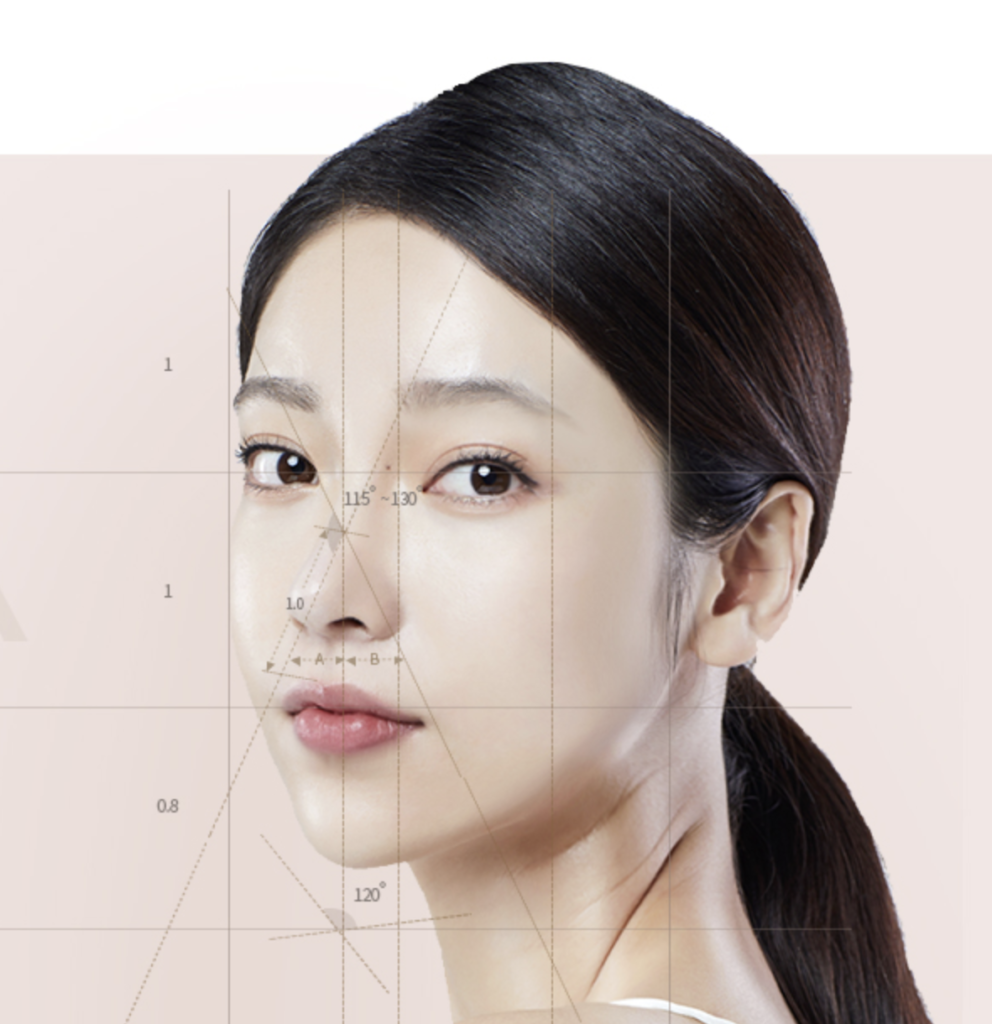
What is otoplasty?
Otoplasty is a cosmetic surgery procedure designed to reshape or reposition the ears to improve their appearance. It is commonly performed to correct prominent ears that stick out too far from the head, asymmetrical ears, or other deformities. Otoplasty can involve reshaping the cartilage, repositioning the ears closer to the head, or reducing the size of oversized ears. This surgery is typically done on both adults and children, often starting around age 5 or 6 when the ears have fully developed. The procedure helps create a more balanced and natural appearance, boosting confidence for individuals who feel self-conscious about their ears.
Who are suitable candidates for ear surgery (otoplasty)?
Suitable candidates for otoplasty are individuals who want to improve the appearance of their ears by correcting issues like prominence or asymmetry. The procedure is ideal for those looking to achieve a more balanced and natural ear shape, enhancing their overall facial harmony. Candidates are typically in good health, with children as young as 5 and adults both benefiting from the surgery. Those who feel self-conscious about the appearance of their ears and seek to boost their confidence by achieving a more proportionate ear size and position are also great candidates. Most importantly, candidates should have realistic expectations about the improvements otoplasty can deliver.
What can you expect from the surgery?
- Improved Ear Proportion: The procedure creates more balanced, symmetrical ears that better align with the facial features, enhancing overall facial harmony.
- Reduced Prominence: Otoplasty can correct ears that stick out too far, bringing them closer to the head and giving a more natural look.
- Boosted Confidence: Many patients experience a significant increase in self-esteem and body image after the surgery, feeling more comfortable with their appearance.
- Long-Lasting Results: Once the ears are reshaped, the results are generally permanent, providing a lasting improvement in ear shape and position.
- Minimal Scarring: Otoplasty is typically performed with small incisions behind the ear, leaving scars that are discreet and hardly noticeable.
How much does otoplasty cost in Korea?

The cost of otoplasty in South Korea typically ranges from ₩2,000,000 to ₩5,000,000 (approximately $1,700 to $4,500), depending on the complexity of the procedure, the clinic’s reputation, and the surgeon’s experience. The price can vary based on whether the surgery is for one or both ears, as well as any additional treatments or techniques used. For a more precise estimate, it’s best to consult directly with the clinic or surgeon.
Otoplasty FAQs
How long will the results last?
The results of otoplasty are generally permanent. Once the ears are reshaped and repositioned, they typically maintain their new shape and position throughout a person’s life. Since the cartilage in the ears stops growing after a certain age, the improvements made during the surgery are long-lasting. However, natural aging may slightly affect the appearance of the ears over time, but the major changes from the surgery will remain intact.
Does otoplasty affect my hearing?
Otoplasty will not affect your hearing. The inner and middle parts of the ear are responsible for hearing.
What is the recovery like after otoplasty?
Recovery after otoplasty is typically smooth, but it requires some care to ensure the best results. Here’s what you can expect:
- Initial Healing: After the surgery, patients may experience swelling, bruising, and mild discomfort around the ears, which typically lasts for a few days to a week.
- Bandages and Dressings: The ears will be wrapped in a soft dressing or bandage immediately after surgery to support them while they heal. This dressing is usually worn for the first few days, and you may need to wear a headband for several weeks to protect the ears during sleep.
- Pain Management: Any discomfort can generally be managed with prescribed pain medication or over-the-counter pain relievers.
- Activity Restrictions: Physical activity should be limited for at least 2 to 3 weeks to avoid putting pressure on the ears. Strenuous activities or contact sports should be avoided for about 6 weeks.
- Full Recovery: While most patients can return to work or school within a week, complete healing can take about 3 to 6 months for the final results to be visible and for any residual swelling to fully subside.
It’s important to follow your surgeon’s post-operative care instructions closely to ensure a smooth recovery and optimal results.
Schedule A Consultation In Sinnonhyeon Gangnam
“*” indicates required fields
Location
Gangnam Office
“*” indicates required fields
-
492, Gangnam-daero, Gangnam-gu, Seoul, Korea
- +82-10-5537-1167
- Get Directions
Office Hours
Monday: 10am – 7pm
Tuesday: 10am – 7pm
Wednesday: 10am – 7pm
Thursday: 10am – 7pm
Friday: 10am – 8:30pm
Saturday: 10am – 5pm
Sunday: Closed
